Dead Tree Removal in Montgomery County, PA
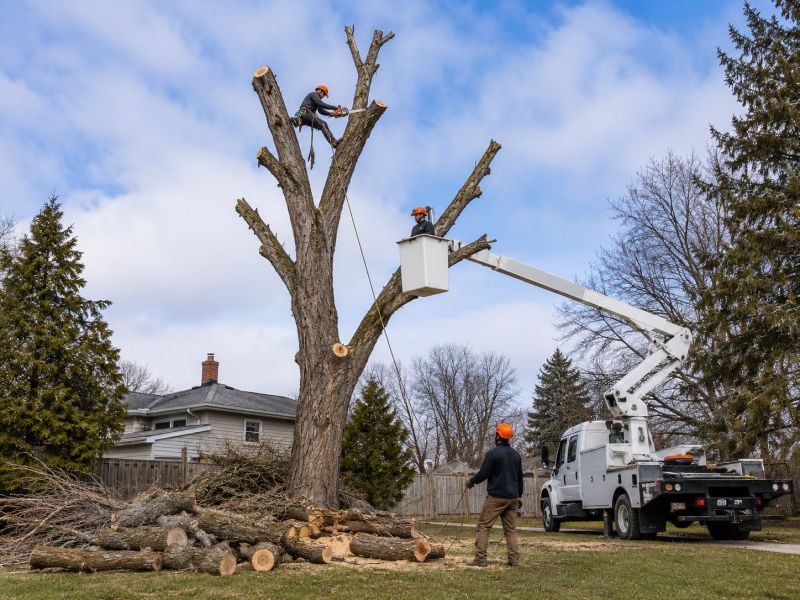
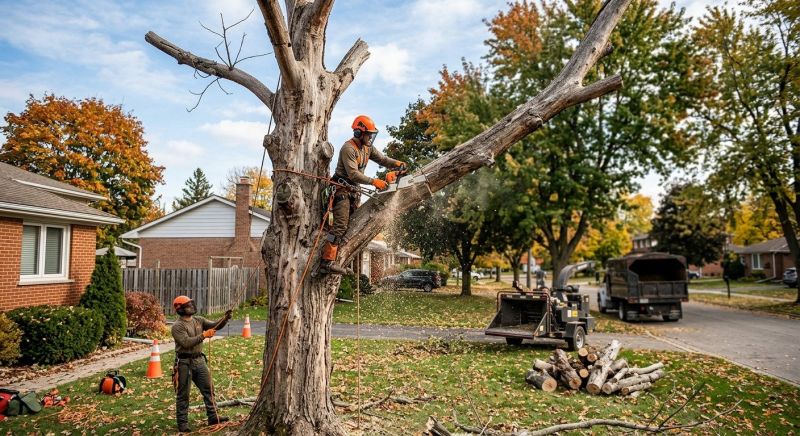
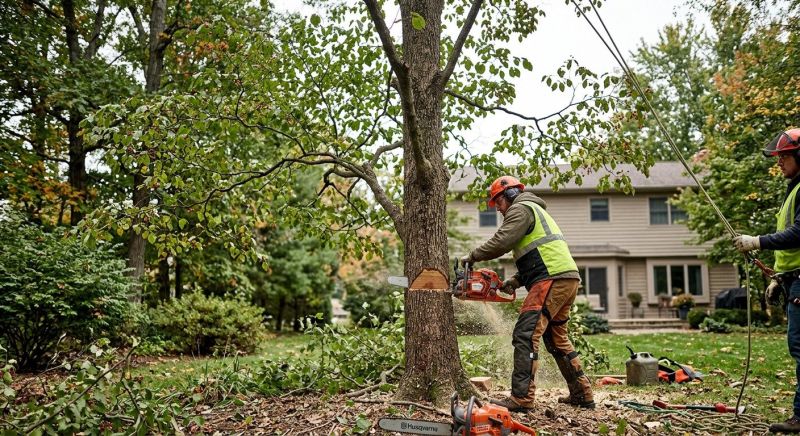
Dead tree removal services involve the safe and efficient removal of trees that have become dead, decayed, or pose a danger to the property. This type of work typically covers situations such as trees that have lost their vitality, show signs of disease, or are at risk of falling due to structural instability. Property owners often seek this service to prevent potential damage to structures, reduce hazards around walkways or driveways, and maintain the overall safety and appearance of their landscape.
Before requesting dead tree removal, property owners usually want to understand the scope of the work, including whether the entire tree will be removed or just the affected portions. It's also helpful to consider the location of the tree, proximity to buildings or power lines, and any specific concerns about debris or stump removal afterward. Clarifying these details can ensure the project aligns with safety standards and property needs.
Many property owners in Montgomery County, PA look into Dead Tree Removal for repairs, replacements, upgrades, and appearance-related improvements.
Dead Tree Removal Services
Examples of dead tree removal work property owners may explore in montgomery county, pa.
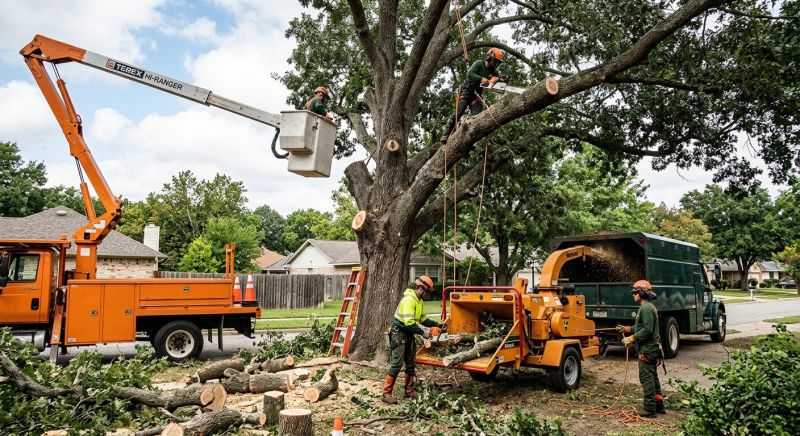
Dead Tree Removal Updates
Common ways people refresh, improve, or restore dead tree removal features in montgomery county, pa.
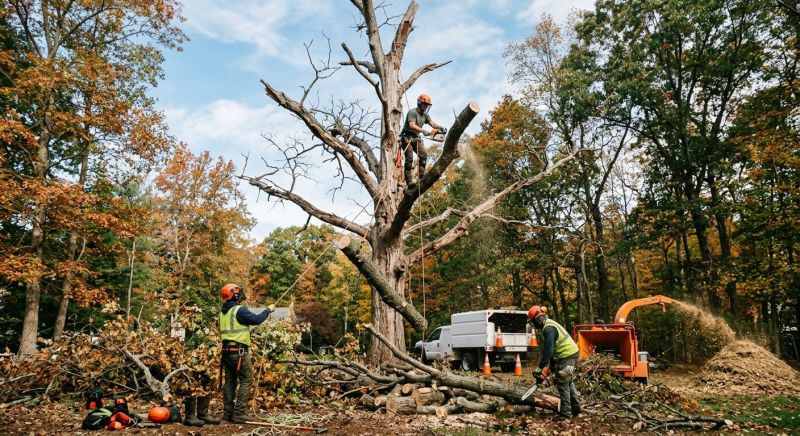
Dead Tree Removal Options
Different styles, layouts, and finishes people consider for dead tree removal in montgomery county, pa.
Dead Tree Removal in Montgomery County, PA

Dead tree removal services involve the safe and efficient removal of trees that have become dead, decayed, or pose a danger to the property. This type of work typically covers situations such as trees that have lost their vitality, show signs of disease, or are at risk of falling due to structural instability. Property owners often seek this service to prevent potential damage to structures, reduce hazards around walkways or driveways, and maintain the overall safety and appearance of their landscape.
Before requesting dead tree removal, property owners usually want to understand the scope of the work, including whether the entire tree will be removed or just the affected portions. It's also helpful to consider the location of the tree, proximity to buildings or power lines, and any specific concerns about debris or stump removal afterward. Clarifying these details can ensure the project aligns with safety standards and property needs.
Many property owners in Montgomery County, PA look into Dead Tree Removal for repairs, replacements, upgrades, and appearance-related improvements.
Common Dead Tree Removal Jobs
Dead Tree Removal - safely removes hazardous or decaying trees to protect property and safety.
Stump Grinding - eliminates remaining tree stumps to improve landscape appearance and prevent pest issues.
Emergency Tree Removal - handles urgent situations involving fallen or unstable dead trees.
Selective Tree Removal - removes specific dead or diseased branches to promote overall tree health.
Land Clearing - clears dead trees and debris to prepare land for development or landscaping projects.
Tree Disposal - properly disposes of dead tree material in accordance with local regulations.
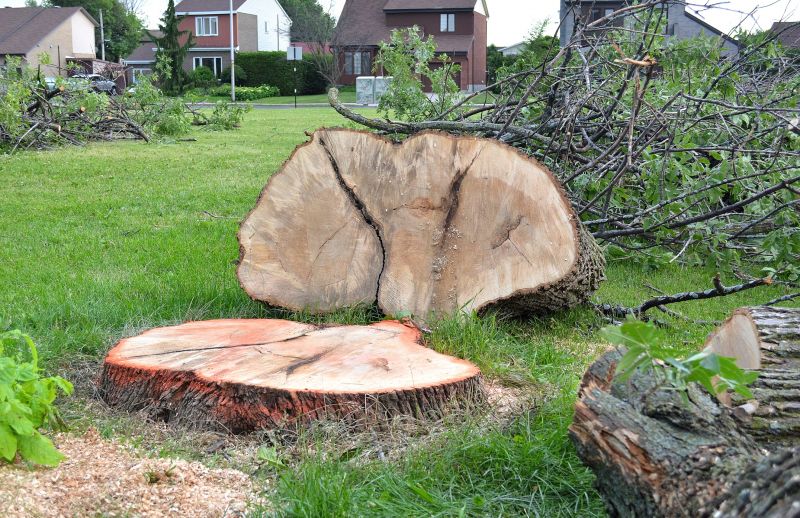
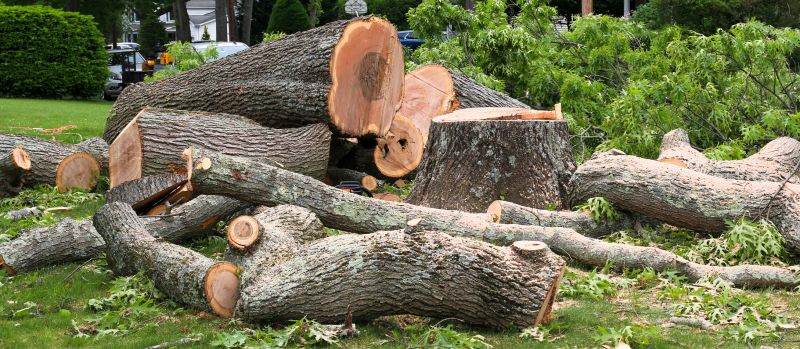
Dead Tree Removal Questions
Why remove dead trees from a property? Dead trees can pose safety risks and may cause damage to nearby structures or healthy trees if left unattended.
What signs indicate a tree needs removal? Indicators include dead or dying branches, discoloration, and visible decay or fungi at the base of the tree.
Is dead tree removal necessary near structures? Yes, removing dead trees close to buildings or power lines helps prevent potential damage or hazards.
How does dead tree removal benefit a landscape? Removing dead trees improves the appearance of the landscape and promotes the health of surrounding plants and trees.
Request Dead Tree Removal in Montgomery County, PA
Use the quote form on this page to share the basics of your project and request more information for the type of work you need.